

When it comes to tanker trailer operations, safeguarding equipment, maintaining efficiency, and ensuring safety are top priorities. Tanker trailers often transport volatile or sensitive materials, making pressure regulation critical for their structural integrity and operational performance. Two essential components to achieve this are vacuum relief valves and vacuum breakers. While both ensure pressure balance, their functions and benefits differ significantly.
We’ll provide a guide to tanker trailer vacuum relief valves vs. vacuum breakers, highlighting their unique roles and the major differences to help operators and fleet managers make informed decisions.
 Vacuum relief valves are precision-engineered devices designed to regulate the internal pressures of tanker trailers. These components allow controlled airflow when a vacuum is formed inside the tank during material withdrawal or liquid cooling. Without proper regulation, such pressure vacuums could compromise the tanker’s structure.
The operation of a vacuum relief valve is straightforward but highly effective. When the internal tank pressure falls below a safe threshold, the valve opens to admit external air, equalizing pressure and preserving the trailer’s structural integrity.
Vacuum relief valves are precision-engineered devices designed to regulate the internal pressures of tanker trailers. These components allow controlled airflow when a vacuum is formed inside the tank during material withdrawal or liquid cooling. Without proper regulation, such pressure vacuums could compromise the tanker’s structure.
The operation of a vacuum relief valve is straightforward but highly effective. When the internal tank pressure falls below a safe threshold, the valve opens to admit external air, equalizing pressure and preserving the trailer’s structural integrity.
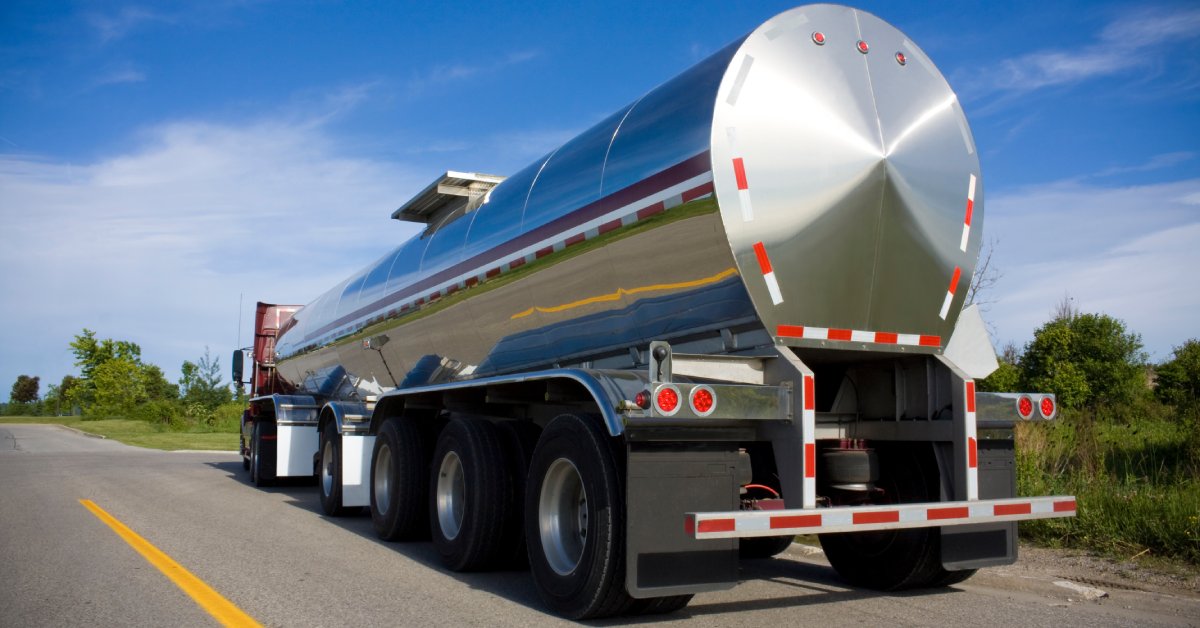 Maintaining stable pressure inside the trailer is essential for protecting sensitive cargo, such as food-grade liquids or volatile chemicals. Vacuum breakers prevent pressure imbalances that can contaminate or spoil the cargo, ensuring quality throughout transit.
Introduction to Tanker Trailer Vacuum Systems
Tanker trailers are subject to significant pressure fluctuations during loading, unloading, or transport. These pressure disparities can lead to structural damage, loss of liquid cargo integrity, or even hazardous accidents. Vacuum relief valves and vacuum breakers are designed to effectively counteract these risks by managing internal and external pressure differences. Understanding the specifics of each device and its distinct use cases is essential for ensuring operational safety, compliance, and efficiency.Understanding Vacuum Relief Valves
Vacuum relief valves are precision-engineered devices designed to regulate the internal pressures of tanker trailers. These components allow controlled airflow when a vacuum is formed inside the tank during material withdrawal or liquid cooling. Without proper regulation, such pressure vacuums could compromise the tanker’s structure.
The operation of a vacuum relief valve is straightforward but highly effective. When the internal tank pressure falls below a safe threshold, the valve opens to admit external air, equalizing pressure and preserving the trailer’s structural integrity.
Benefits of Vacuum Relief Valves
Vacuum relief valves provide crucial protection for tanker trailers by maintaining safe pressure levels during operation. Their effective design prevents structural damage, ensuring the safety and longevity of the equipment.Pressure Regulation
One of the primary functions of vacuum relief valves is maintaining optimal pressure levels within the tanker trailer. By preventing the formation of excessive vacuum pressure during operations, these valves ensure the tank remains structurally sound, avoiding costly damage or potentially dangerous collapses.Enhanced Safety
Vacuum relief valves contribute to a safer working environment by minimizing pressure-related accidents such as implosions or equipment failures. With these valves, operators can focus on efficient loading and unloading processes without worrying about pressure hazards.Improved Efficiency
By regulating pressure effectively, vacuum relief valves allow a smoother flow of liquids or gases during transport and handling. This ensures faster operations and minimizes delays caused by pressure imbalances.Prolonged Equipment Lifespan
Frequent exposure to extreme pressure variations can result in significant wear and tear on tanker trailers. Vacuum relief valves extend equipment longevity by maintaining safe pressure thresholds, reducing the strain on the tank’s structure over time.Compliance with Industry Standards
Regulatory compliance is essential for safe transport. Vacuum relief valves from providers like Girard Equipment are designed with robust features to meet DOT 407 safety standards, ensuring trailers are safe and legally compliant.Understanding Vacuum Breakers
Vacuum breakers serve a complementary but distinct role in tanker trailers. These devices equalize interior and exterior pressure by allowing controlled ingress of atmospheric air when internal pressure drops too low. They are especially effective in situations involving temperature fluctuations or sudden withdrawals of liquid cargo. Vacuum breakers often function as primary safeguards, preventing tanks from collapsing under sudden vacuum pressure. Advanced designs, such as Girard Equipment’s magnetic vacuum breakers, are built for durability and efficiency, ensuring reliable performance in challenging conditions.Benefits of Vacuum Breakers
Vacuum breakers offer essential protection for tanker trailers by maintaining structural integrity and preventing damage caused by vacuum pressure. Their innovative design ensures safe and efficient operations, particularly during loading and unloading.Prevents Tank Collapse
Vacuum breakers are vital for safeguarding the integrity of tanker trailers. When internal pressure drops due to liquid transfer or rapid cooling, they quickly allow air to enter the tank, equalizing the pressure difference and preventing structural damage or collapse.Improves Safety
Correct pressure levels contribute directly to the safety of operators and the surrounding environment. By preventing implosions or leaks caused by vacuum conditions, vacuum breakers create a safer workplace and safeguard the surrounding area.Protects Liquid Cargo
Maintaining stable pressure inside the trailer is essential for protecting sensitive cargo, such as food-grade liquids or volatile chemicals. Vacuum breakers prevent pressure imbalances that can contaminate or spoil the cargo, ensuring quality throughout transit.